

I was well aware of Ramadan when we lived 16 years in Saudi Arabia. It never affected me though. I was a child living in an American compound and so it never meant more than a month of fasting to me. My father, I’m sure, did deal with it in the workplace with such things as shorter work hours and a slowing down of activities.
That’s why I decided to go to the Ramadan Orientation breakfast at KAUST today. I had been hearing that you can’t even drink water in the presence of others during Ramadan. What other things would affect my daily life?
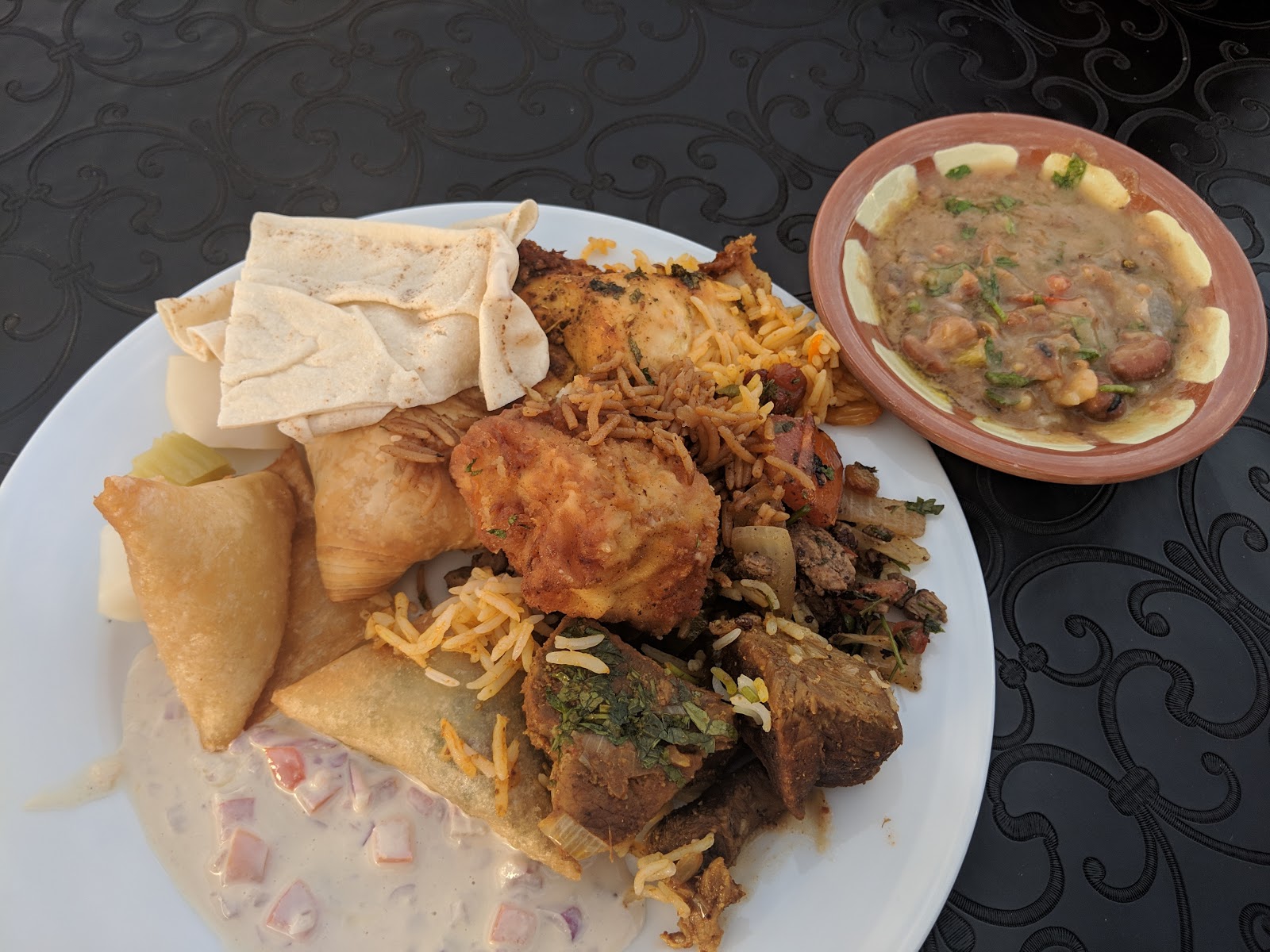
The event started with a breakfast featuring some traditional dishes. There was, of course, fool. Fool is mashed beans that you top with whatever you like: onions, peppers, yogurt, nuts, herbs, etc. It reminds me a lot of Chinese congee in the same way you put toppings that you like. There were dates dipped in chocolate or filled with nuts, omali (a sort of bread pudding), samosas, kenefe, etc. Drinks included Arab coffee and tea as well as Vimto and Rooh Afza, which is a Pakistani syrup made from a squash, rose water, and other ingredients and mixed with water.
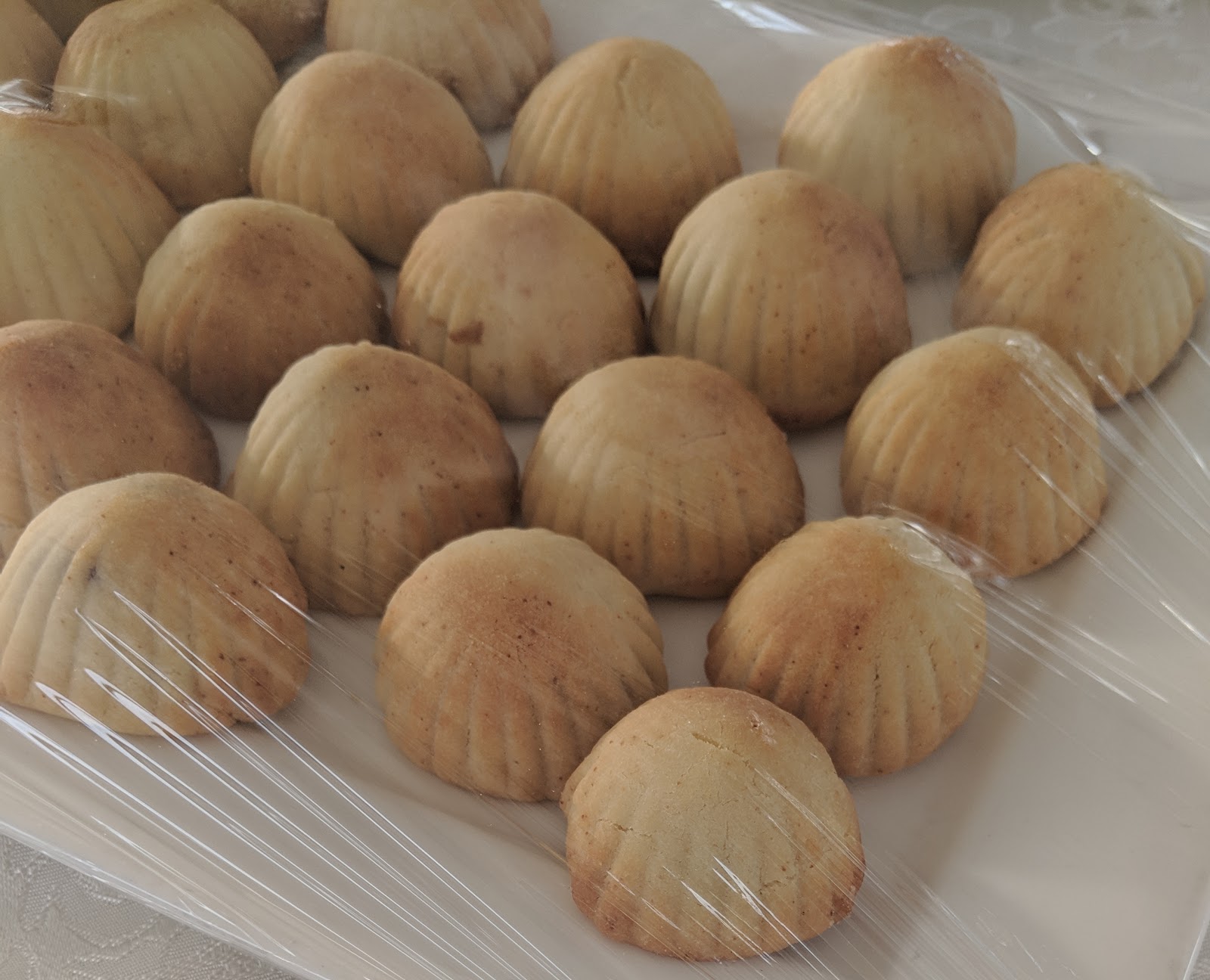 |
| mahmoul - date filled cookies |
We learned about Ramadan being the 9th month of the lunar calendar. The dates can differ slightly by where you are in the world, but in Saudi Arabia, it is determined by physically seeing the first crescent sliver of the new moon. That means if it is a cloudy night so that the moon can not be observed, Ramadan will not be proclaimed yet. For 2019, it is scheduled to run from May 6 to June 4.
Ramadan signifies the month that the Holy Koran was ‘revealed’ to the Prophet Muhammed. Sort of like the Ten Commandments and Moses. The month is supposed to be a month of reflection and piety. Fasting takes place as a way to purify one’s heart, soul, and spirituality and to reflect on God’s word. It is also so that people can relate to the hardships of the poor and hungry. During this month there should not only be reflection on oneself, but charitable acts as well. There should be increased peace, generosity, patience, forgiveness, and charity.
Fasting takes place from sunrise until sunset, or more specifically, until after the sunset prayer Currently that’s at about 6:45 PM and will keep getting a bit later as the month progresses. They practice a dry fast, meaning they can’t even drink anything. Fasting is not only regarding food and drink, but also smoking and any other habitual pleasure. It’s like Christians who give up a favorite thing for Lent. It also includes refraining from impure thoughts, pettiness, or vanity.
People can be excused from fasting, but not entirely. Basically, if you aren’t fasting due to illness, menstruation, pregnancy, breast feeding, or travelling, then you have to make up those days later in the year. Fasting begins at age 10 and goes until they can no longer fast due to age/illness. In particular, if you have lifelong medication that requires food/drink, then you will always be off the hook from fasting.
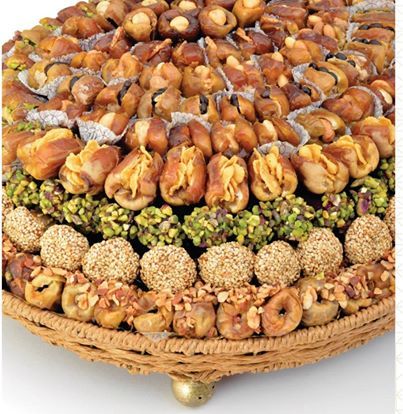
The first meal that breaks the fast is called Iftar. It is suggested that you start with dates because they have many nutrients and are somewhat lower on the glycemic index; they won’t skyrocket your blood sugar as other sugars/carbs. Supposedly it is a lighter meal, but I’m hearing stories that people still pork out. The ‘bigger’ meal is Sahoor and takes place between 2-3 in the morning as a way to load up for the next day.
How will this affect me?
Unfortunately, I will depart in the middle of Ramadan and so I will not get to celebrate the end – Eid al-Fitr. That’s when even bigger holiday celebrations take place and KAUST will shut down for 3-4 days.



 English (US) ·